
January likes to present itself as a clean slate. In reality, it’s more often the moment when organisations make their fastest decisions under the most pressure. That tension sat underneath much of Mediazoo’s coverage this month.
This month, our Uncertainty Experts released their new UK bestseller, The Uncertainty Toolkit. In its latest review, the Training Journal highlighted a growing truth: learning is still designed for stability in a world defined by change. The toolkit’s appeal lies in its practicality, helping people think and adapt when plans inevitably shift.
That idea carried through in Learning News, where our Chief Uncertainty Expert, Sam Conniff, explored what it actually means to train for uncertainty. Not resilience as a slogan, but as a set of behaviours that work when the ground shifts.
January also surfaced the cost of rushed decision-making. Research from our Uncertainty Experts was featured across Employer News and the Training Journal, which explored why decisions tend to accelerate at the start of the year and the pitfalls that come with it.
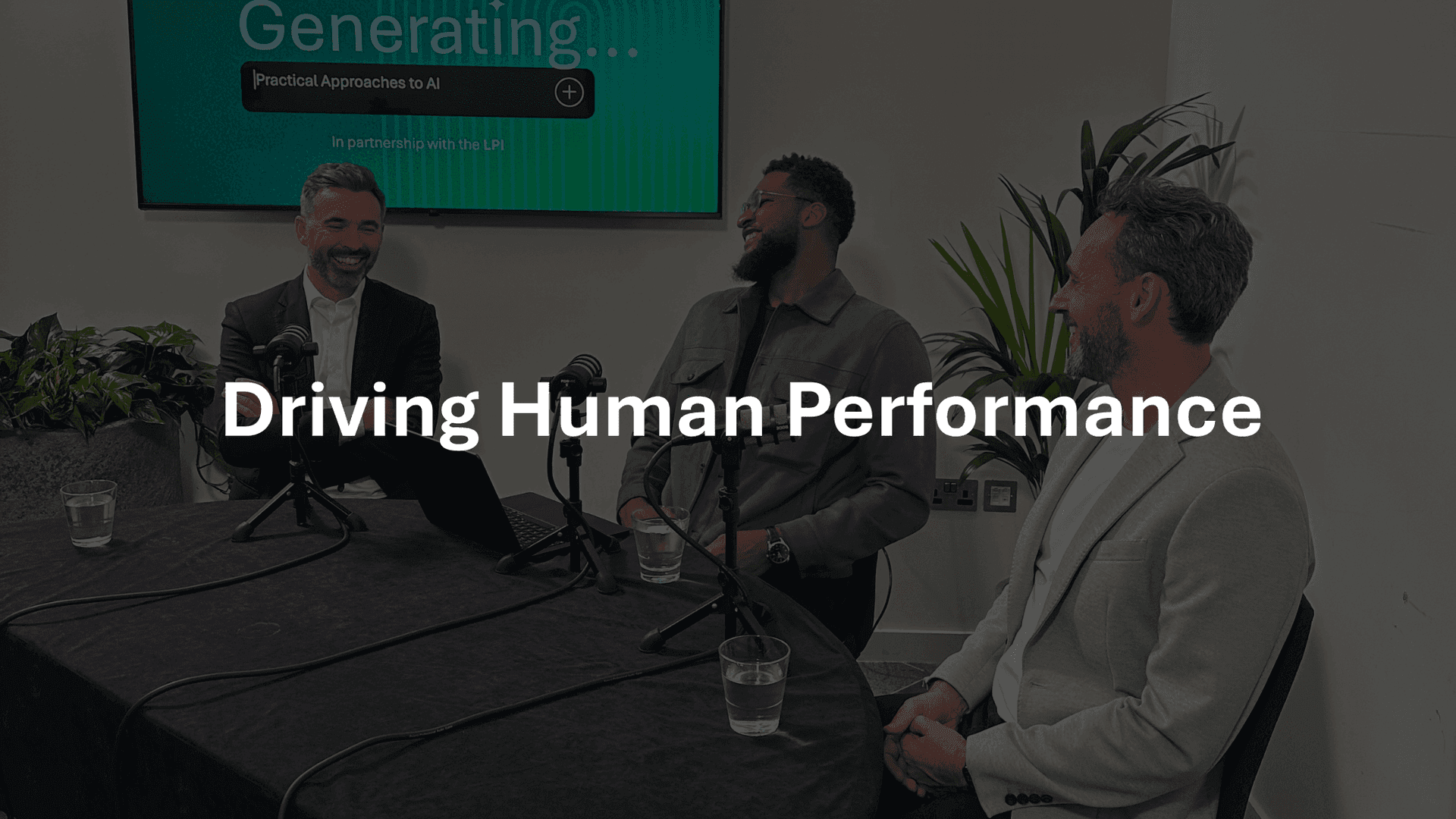
HR Magazine featured our Strategy Director, Pete Ashcroft’s, perspective on the role podcasts can play in learning, and how they can be most effective when paired with formats designed to drive behaviour change.
Beyond learning, Mediazoo also featured in conversations about staffing and growth. Coverage in HRnews highlighted our launch of our Talent Studio and the shift toward more adaptive, on‑demand approaches to resourcing.
PR Week and Campaign also covered our latest client win, announcing that Mediazoo has been appointed to lead the launch strategy and creative campaign for PG Fast Food, Professor Green’s new healthier fast‑food brand. With the first store set to open in Glasgow, both titles highlighted this as a significant brief and an exciting moment for the brand’s UK rollout.
Across January’s coverage, one pattern kept reappearing: organisations are trying to manage uncertainty with certainty-shaped solutions. Mediazoo’s role in that conversation has been to challenge that instinct, and argue for learning, hiring and decision-making that reflect how work actually happens now.